If your urology clinic can’t explain your options in plain English, it’s not “advanced.” It’s just expensive.
Melbourne has genuinely high-level urological care available, robotic surgery, excellent imaging, biomarker-driven decisions, the whole kit. But the real marker of quality isn’t a shiny robot in the theatre. It’s whether the team can match the right tool to the right patient, on the right timeline, with no smoke and mirrors.
One line you should hear often: “Here are the trade-offs.”
If you never hear that, be suspicious.
So what’s “advanced” in Melbourne right now?
Some of it is technology, sure. A lot of it is process.
Modern urology here tends to run on tighter pathways: quicker triage, fewer repeat tests, and more deliberate planning before anyone books an operating list. High-resolution imaging, office-based assessments, and more selective use of invasive diagnostics means less “let’s just do it and see.” That’s also what people are usually looking for when they talk about advanced Melbourne urological surgical care.
And the patient experience, when it’s done properly, feels structured:
– clear diagnostic steps (and why they’re happening)
– written plans with dates, contingencies, and follow-up triggers
– realistic talk about recovery and function, not just “success rates”
Here’s the thing: I’ve seen two clinics with the same equipment deliver wildly different outcomes because one had disciplined protocols and the other ran on vibes.
Diagnostics: the quiet revolution (and it matters more than the robot)
A lot of men assume the big leap in care is surgical. Often it’s diagnostic clarity.
In Melbourne, top-tier practices routinely blend:
Imaging
Multiparametric prostate MRI, detailed CT for stones, ultrasound where it’s sufficient (and it often is), plus targeted follow-up imaging rather than scattergun repeats.
Biomarkers & risk tools
Depending on the scenario: PSA derivatives, urine tests, blood-based markers, risk calculators, and structured surveillance protocols. Not every man needs a fancy biomarker test, but the right test at the right time can prevent a pointless biopsy, or prompt a necessary one sooner.
And yes, MRI before biopsy is now mainstream in good prostate pathways. That isn’t a boutique preference; it’s the direction of the evidence.
A concrete data point, because hand-waving is annoying: a large trial found that an MRI-targeted approach improved detection of clinically significant prostate cancer while reducing detection of insignificant disease (PRECISION trial, NEJM, 2018). That translates to fewer men being treated for cancers that never would’ve harmed them.
Da Vinci robotic surgery: useful tool, not magic
Robotic surgery is excellent in the right hands. It’s also oversold.
You’ll often see benefits like smaller incisions, less blood loss, and shorter hospital stays for selected procedures. But outcomes you actually care about, continence, erections, complications, cancer control, depend heavily on surgeon experience, case complexity, and your baseline function.
Now, this won’t apply to everyone, but… if a surgeon can’t tell you their personal outcome data (or at least talk through expected ranges honestly), you don’t have enough information to consent properly.
A few factors that change the “is robotic worth it?” calculation:
– prior abdominal/pelvic surgery (scar tissue can complicate access)
– obesity or unusual anatomy (robotic visibility may help, or positioning may be harder)
– disease extent (early vs locally advanced cancer isn’t the same operation)
– what you value most: speed of recovery, long-term function, or avoiding certain risks
Look, I’m pro-robot when it’s appropriate. I’m anti-robot when it’s used as a marketing noun.
Stones, BPH, cancer: three problems, three different decision styles
Stones (fast problem, long tail)
If you’re in pain, you want it fixed. Fair. But stones have a nasty habit of coming back if nobody talks prevention.
A good stone clinic doesn’t stop at removal. They ask what the stone is made of, why it formed, and what your recurrence risk looks like. That might mean metabolic work-up, targeted dietary advice, and medication if indicated.
Procedure choice is often practical: stone size, location, infection risk, anatomy, and how quickly you need relief. Minimally invasive approaches are common, but “minimally invasive” doesn’t mean “minimal planning.”
BPH (quality of life math)
BPH is rarely about survival. It’s about sleep, flow, urgency, and that constant low-grade irritation that makes men miserable.
Treatment selection should revolve around your priorities:
Do you care most about avoiding medication? Preserving ejaculation? Durable symptom relief? Avoiding anaesthesia?
Some procedures trade durability for fewer sexual side effects. Some do the opposite. You’re allowed to have a strong preference here.
Cancer (risk-stratify, then stop panicking)
Prostate and other urological cancers demand a cooler head.
Low-risk disease may suit active surveillance with a tight protocol. Higher-risk disease might need surgery, radiation, systemic therapy, or combinations. The “best” option is usually the one that fits your disease biology and your tolerance for different side effects.
In my experience, men regret cancer decisions less when the consultation spends more time on function and trade-offs than on slogans like “gold standard.”
The team matters more than you think
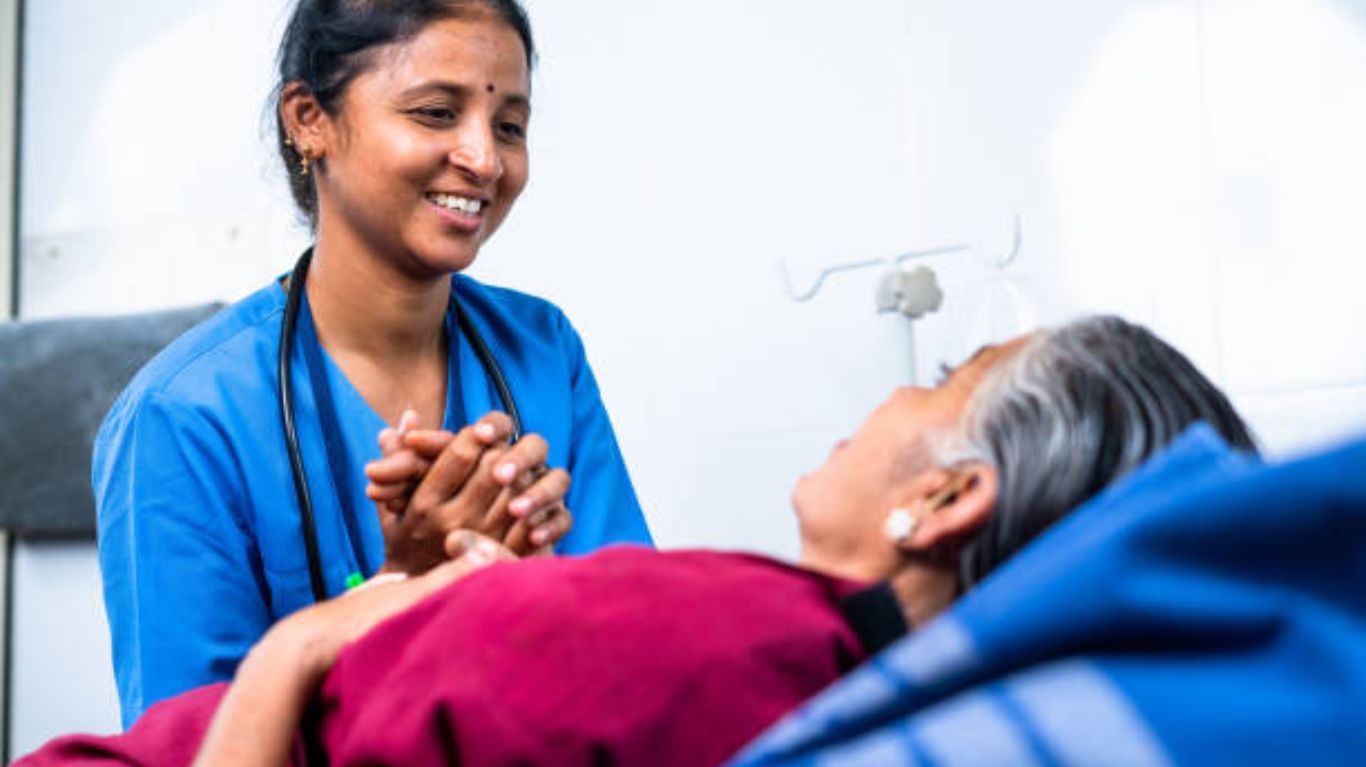
Urology done well is multidisciplinary, even if you only “see the surgeon.”
You’ll typically interact with some combination of:
– urologist (surgical planning, diagnostics, overall strategy)
– specialist nurses (education, catheter care, recovery triage, pathway coordination)
– anaesthetist (risk assessment, pain control strategy, comorbidity management)
– radiology and pathology teams (where a lot of the real certainty comes from)
– pelvic floor physiotherapist (critical after some prostate and continence procedures)
– oncology colleagues when cancer treatment broadens beyond surgery
A smooth service feels almost boring. Tests arrive when they should. Results are explained promptly. Your follow-up isn’t a scavenger hunt. That “boring” is competence.
Safety + transparency: the stuff that prevents disasters
Safety isn’t a poster on the wall. It’s checklists, sterile discipline, antibiotic stewardship, DVT prevention, and good judgement when something is not urgent.
Transparency is even more tangible:
You should leave a visit knowing what happens next, what could go wrong, and who to call if it does.
Shared decision-making gets talked about a lot, but the real version sounds like this:
– “Here are the options.”
– “Here’s what I’d recommend for you and why.”
– “Here’s what we give up if we choose that.”
– “What are you most worried about?”
If the vibe is rushed, evasive, or overly certain, pause.
Recovery: timelines, reality, and the part nobody advertises
Recovery depends on procedure, baseline health, and how well you follow the plan (sleep, mobility, hydration, pelvic floor work when indicated). Most clinics will give milestones, but your body doesn’t read brochures.
Expect, broadly:
– early mobilisation and practical pain control strategies
– clear rules on lifting, driving, work, and sex (yes, ask, don’t guess)
– monitoring for fever, bleeding, urinary retention, infection symptoms
– a follow-up schedule that isn’t optional
One small but real point: emotional recovery is part of it. Men often under-call anxiety after urinary or cancer procedures, then it leaks out sideways as insomnia, irritability, or catastrophising about normal symptoms. A decent team normalises that and gives you somewhere to take questions.
A one-line truth:
Recovery goes better when you aren’t improvising.
Accessing high-end urology in Melbourne without wasting months
You don’t need a perfect strategy. You need a clean pathway.
Bring your timeline of symptoms, medication list, prior imaging, and pathology if you have it. If you’ve had recurrent stones or fluctuating PSA, gather the actual numbers over time, trend beats anecdote.
Ask direct questions early:
– “What’s the diagnostic sequence from here?”
– “Do I need imaging before biopsy/procedure?”
– “What are the wait times for MRI, surgery, follow-up?”
– “If I deteriorate, what triggers escalation?”
– “What functional outcomes should I expect in my situation?”
And if something is urgent, fever with urinary obstruction, severe flank pain with infection signs, uncontrolled bleeding, don’t workshop it. Emergency care exists for a reason.
Some Melbourne services are genuinely world-class. Others are just well-branded. The difference shows up in how they think, how they measure outcomes, and how comfortable they are telling you the less flattering parts of every option.